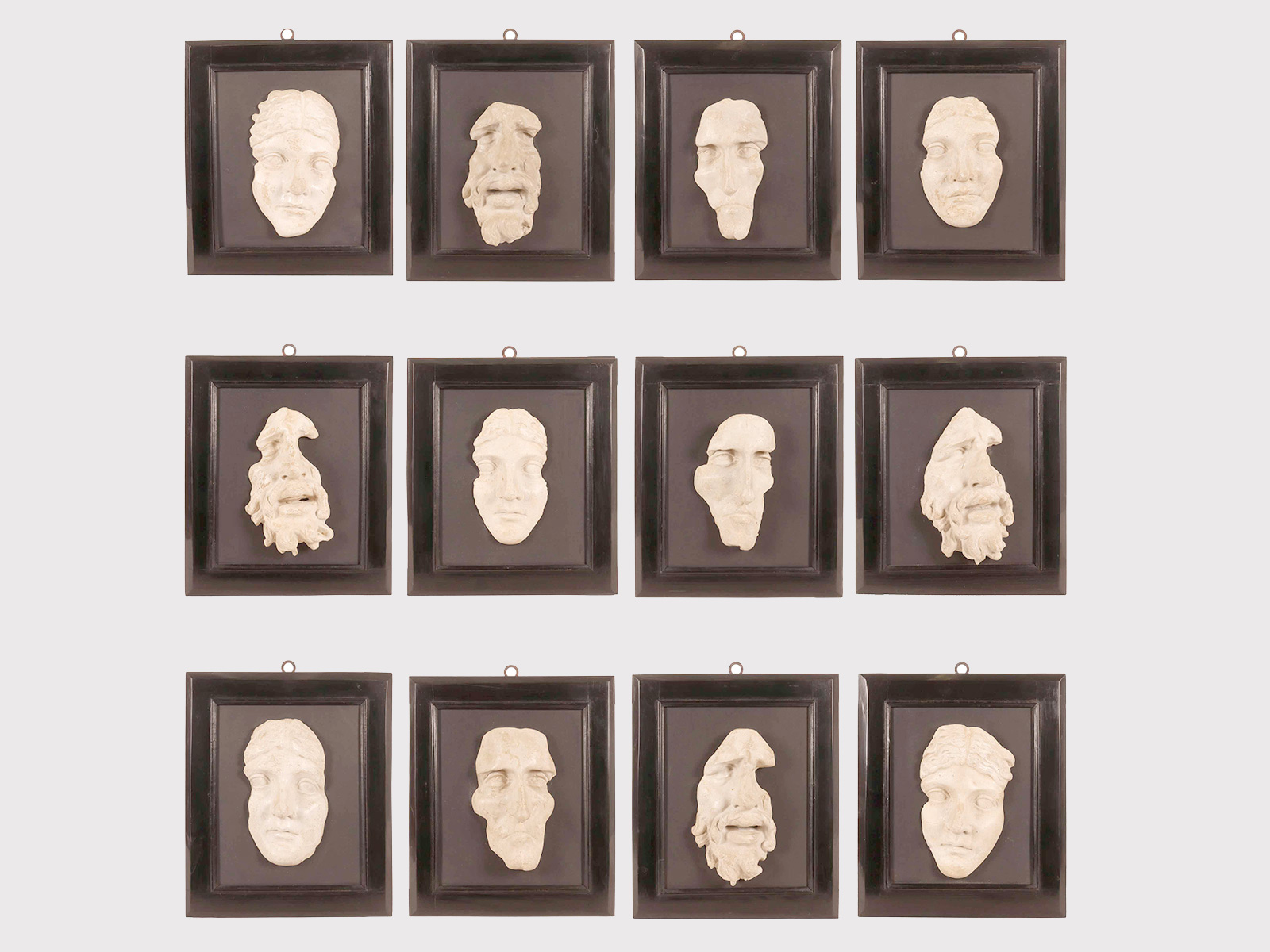
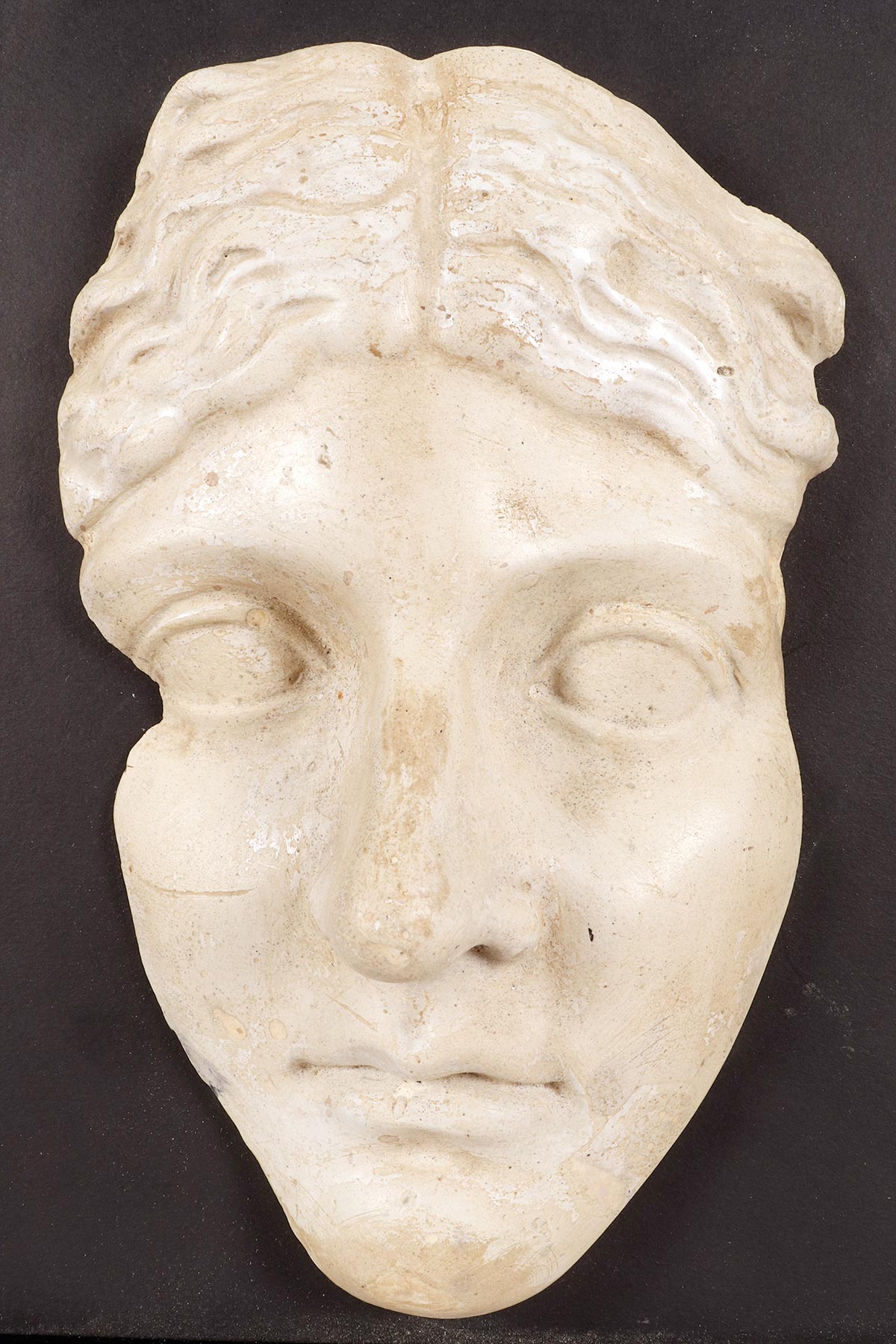
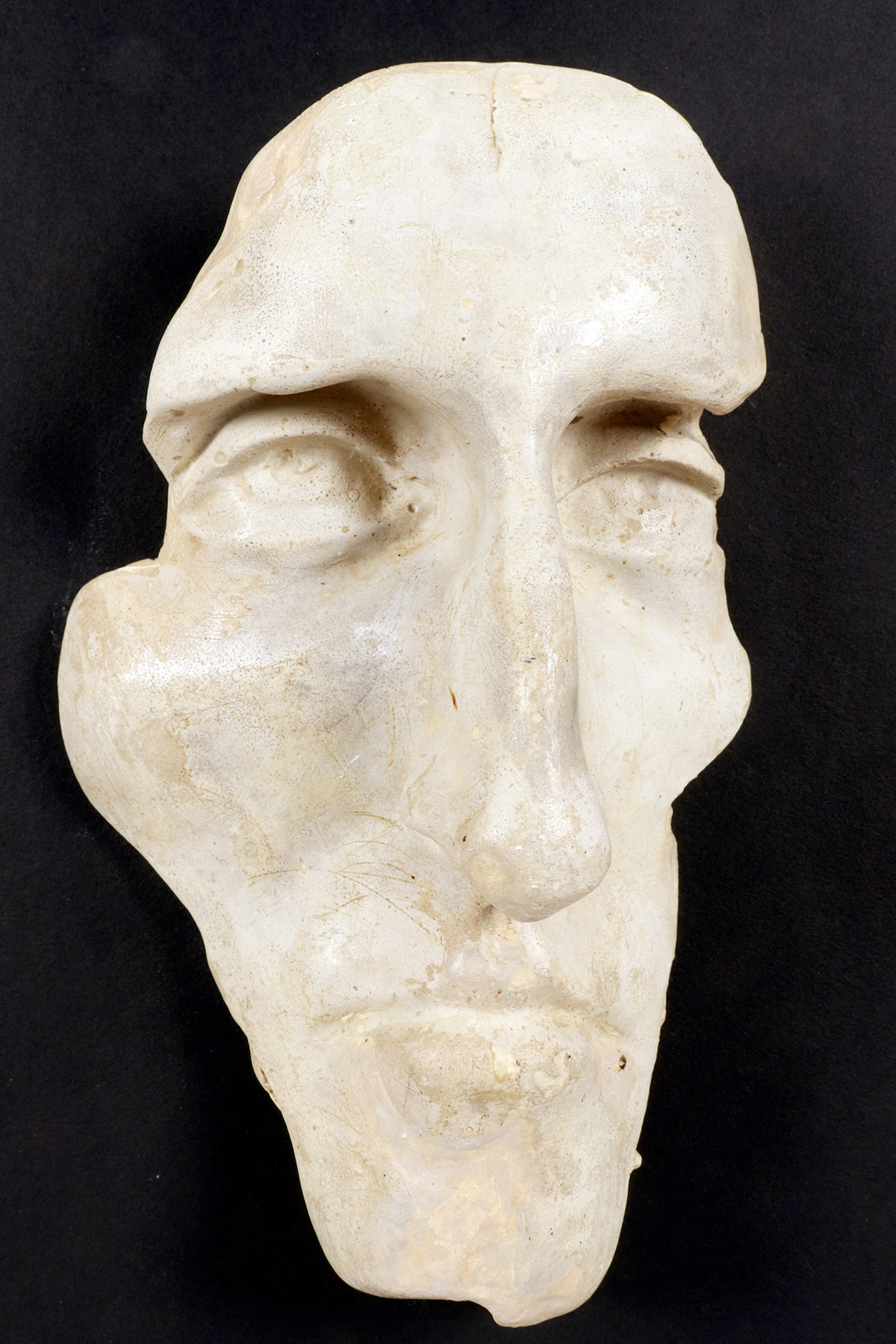
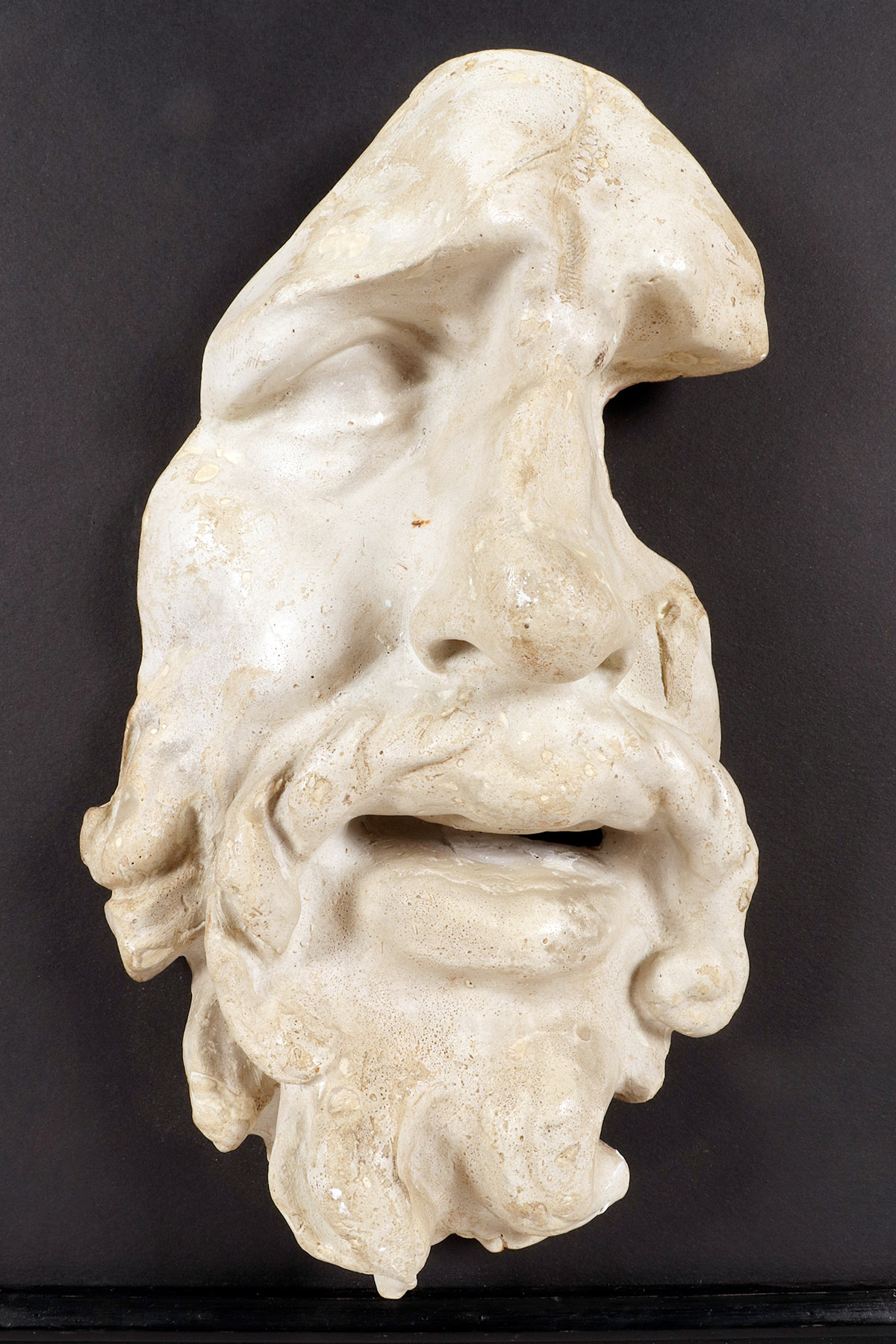
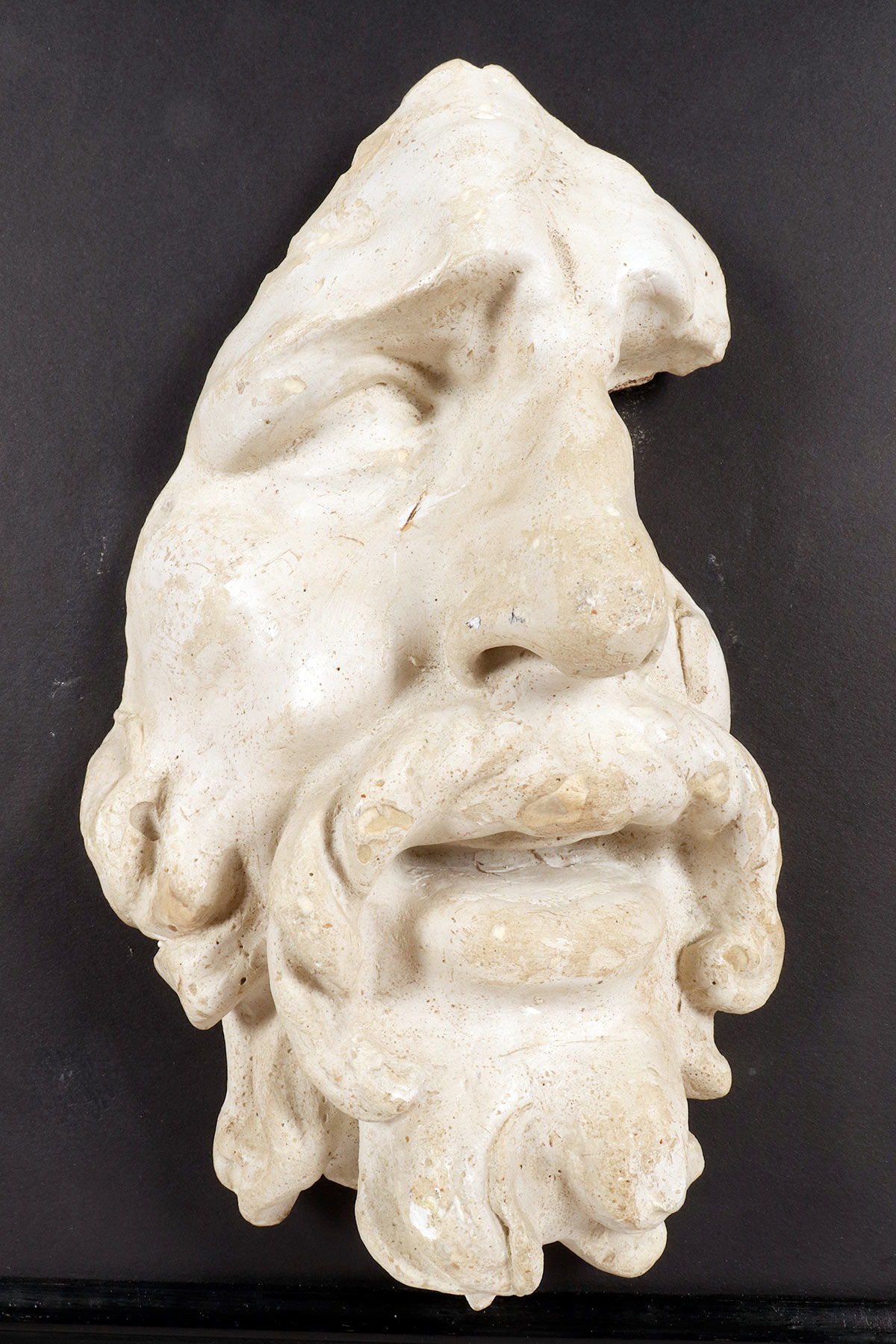
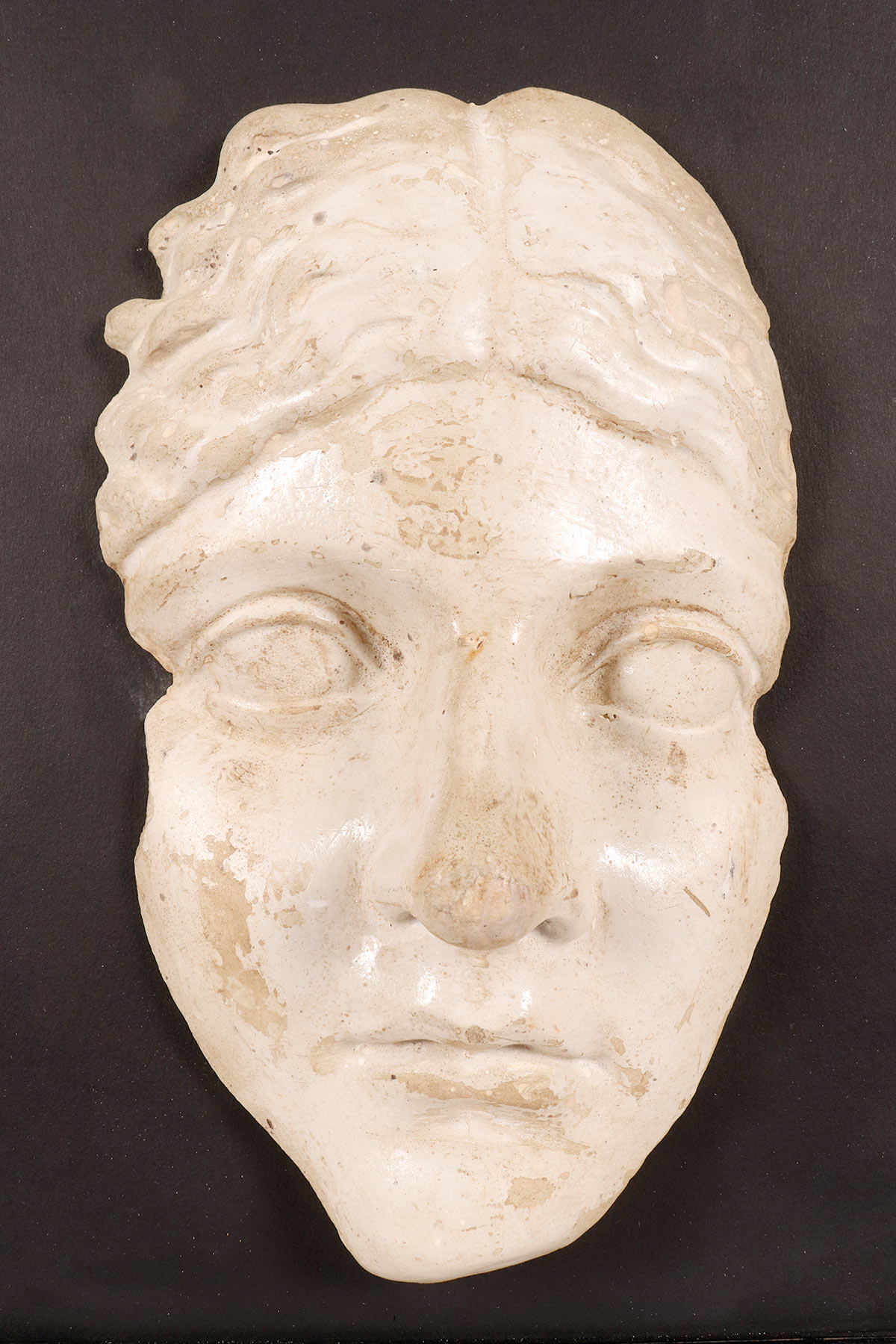
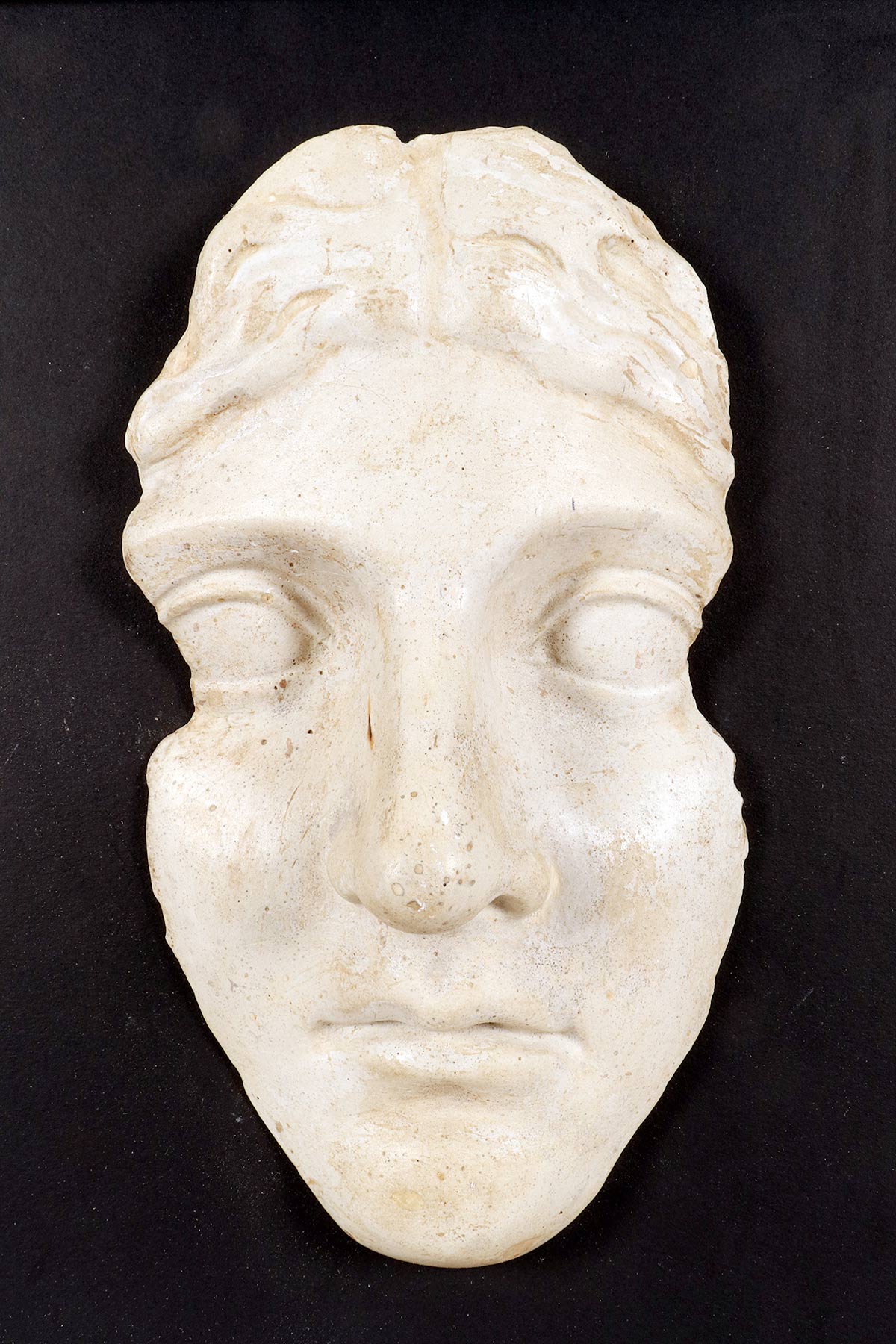
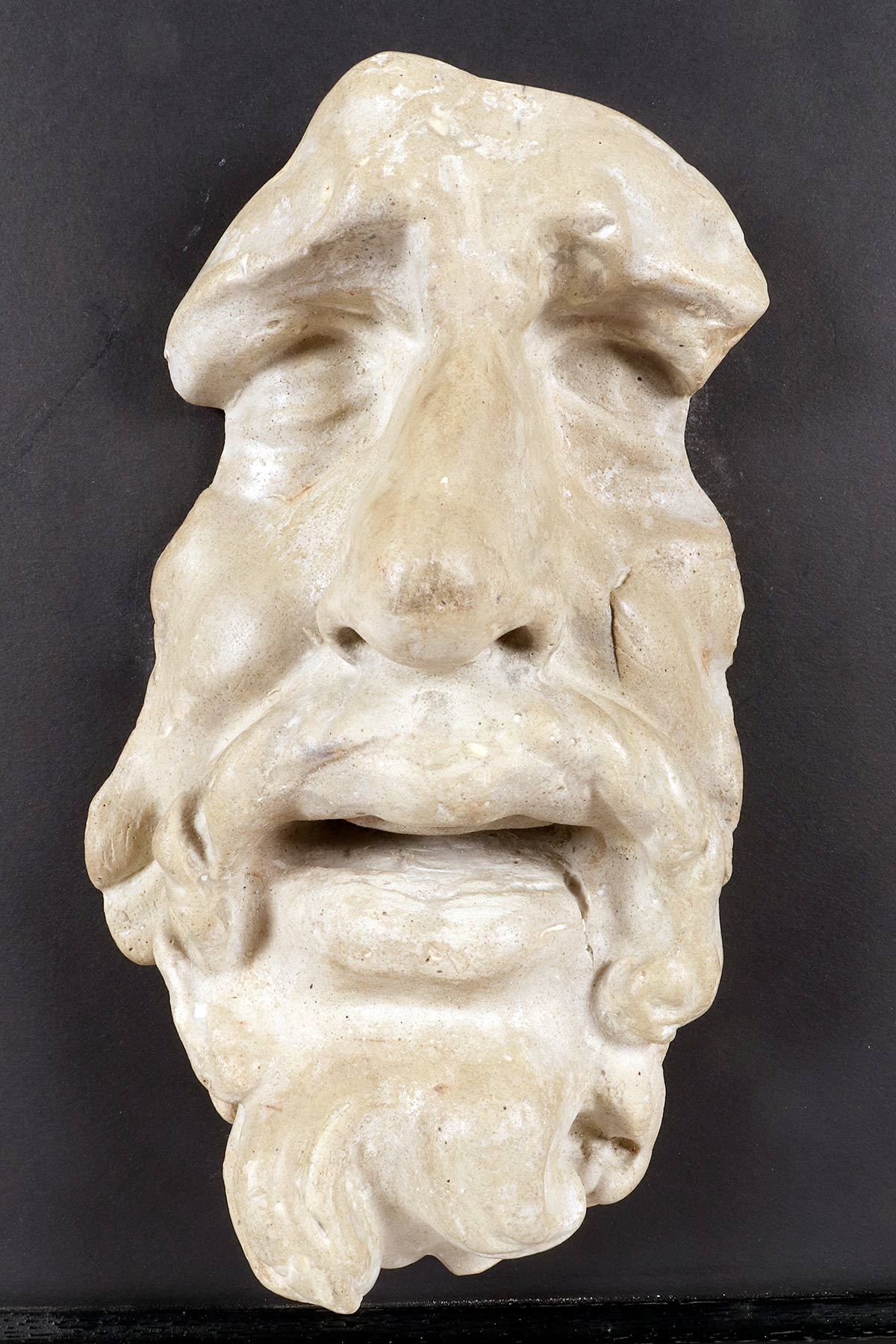
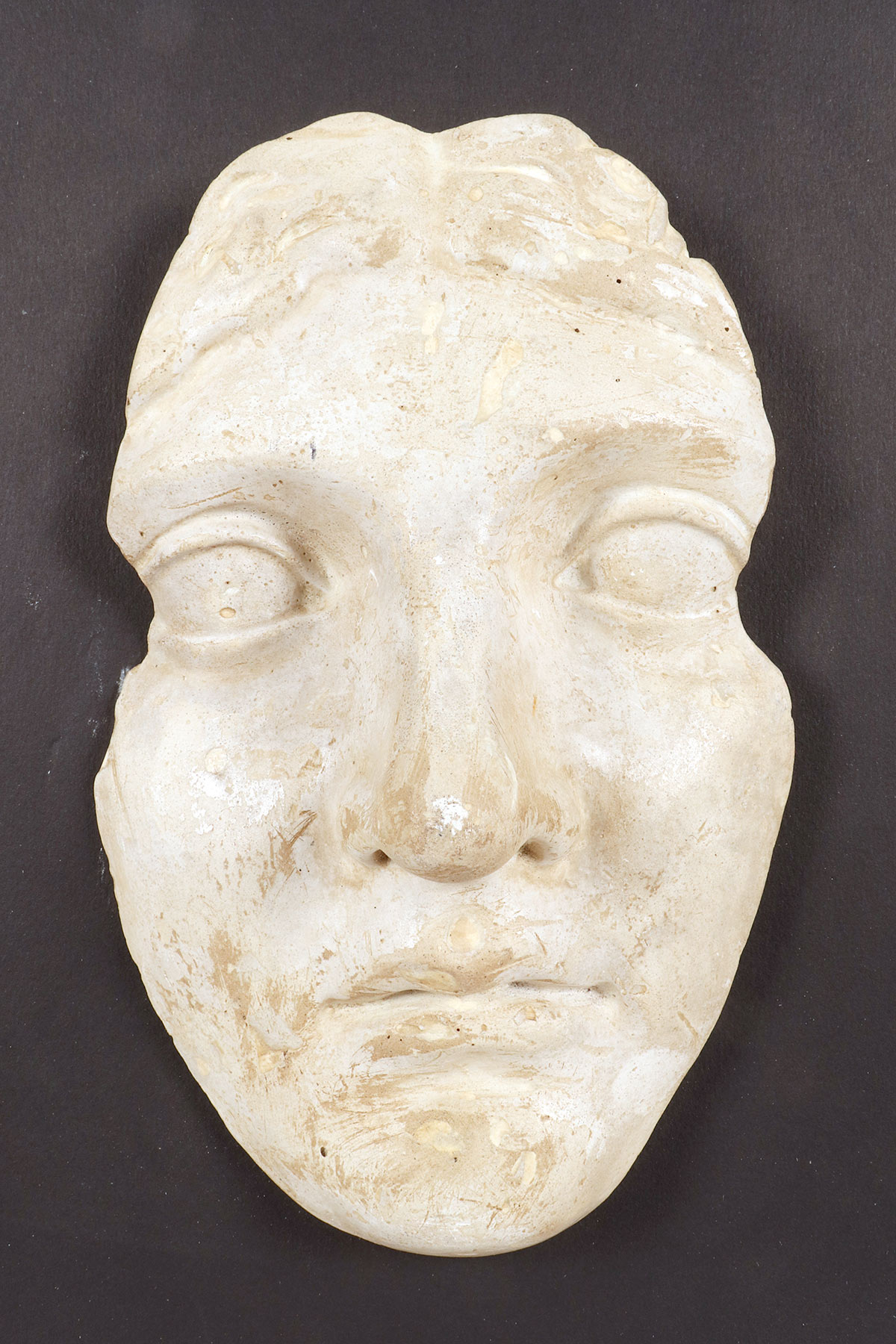
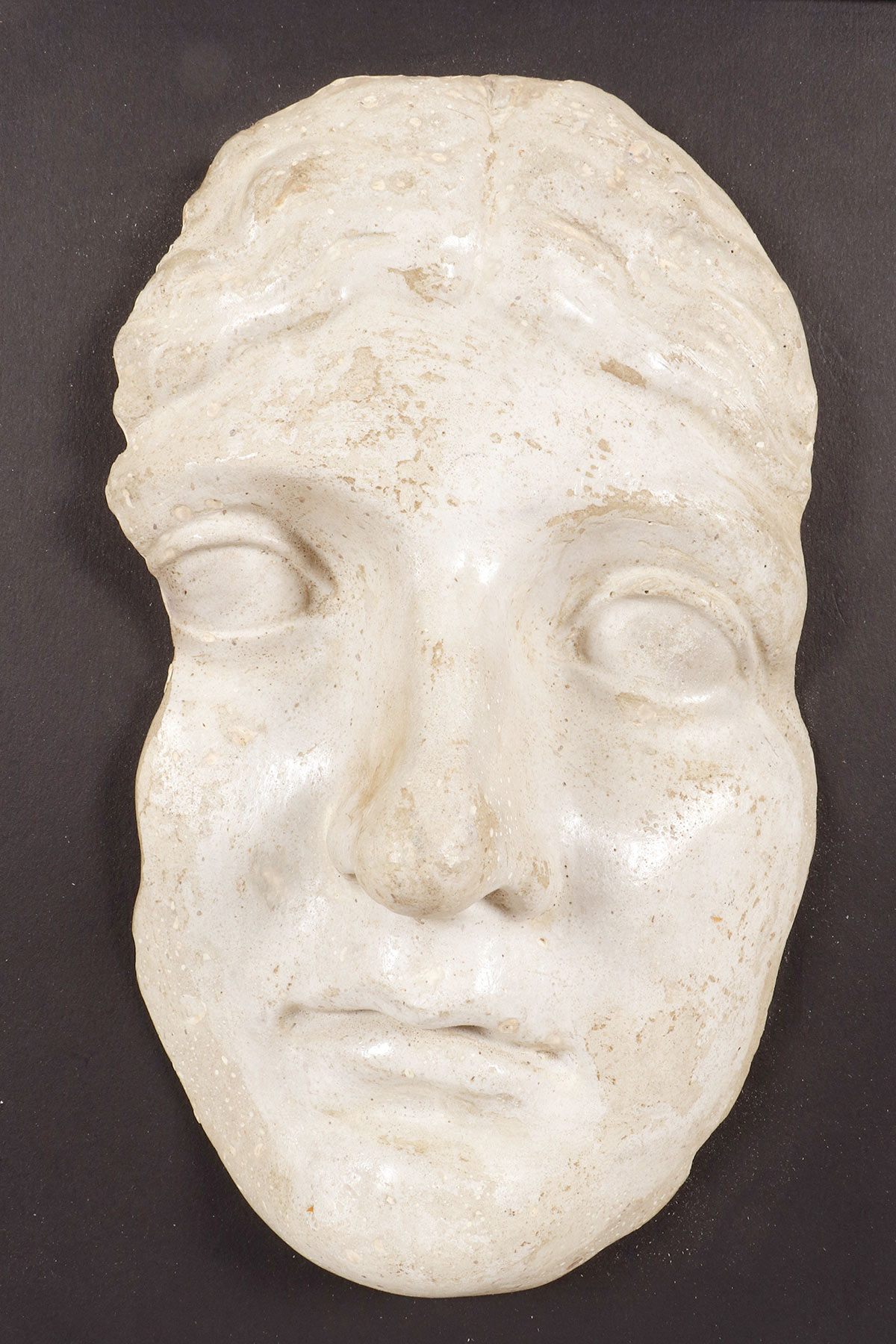
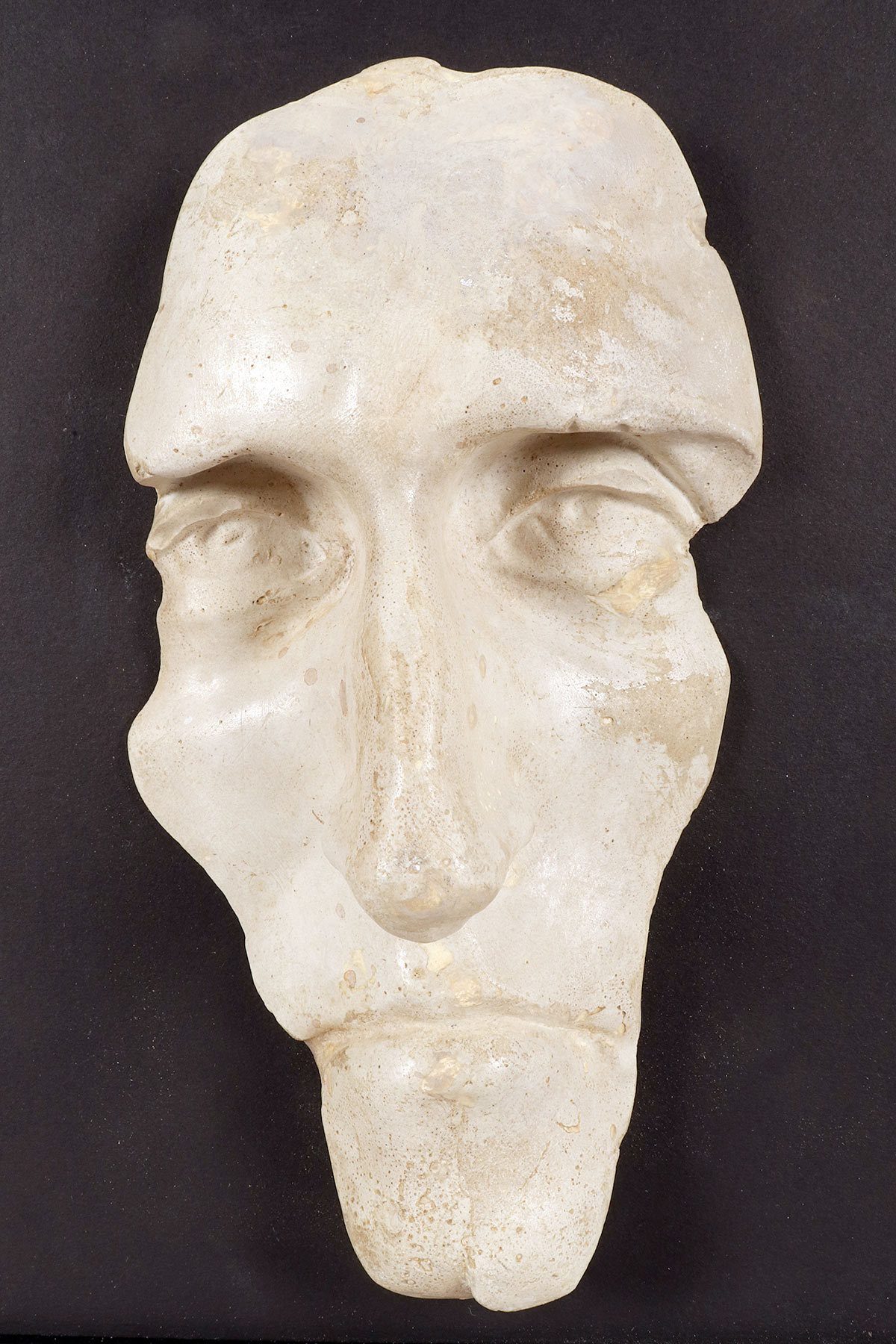
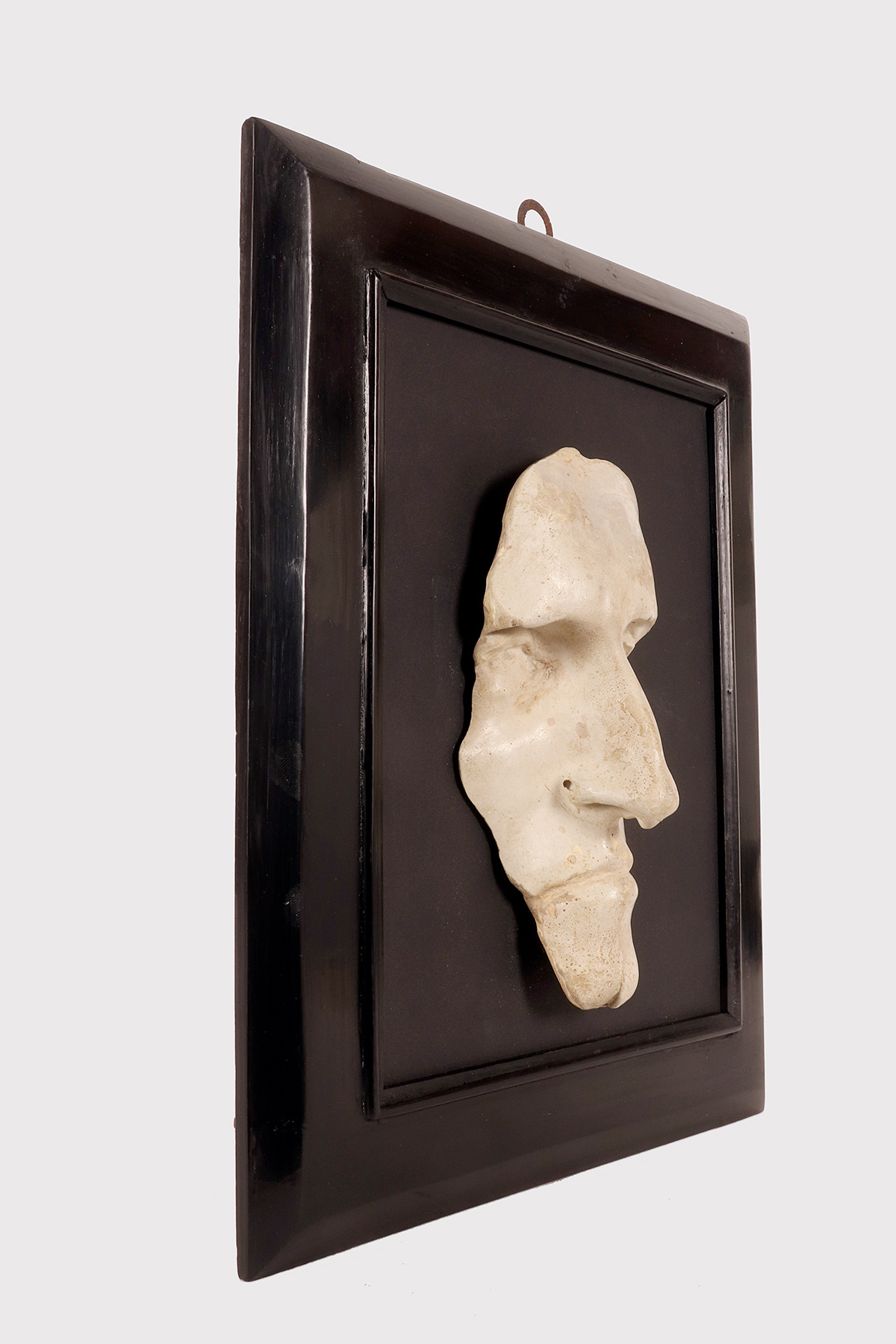
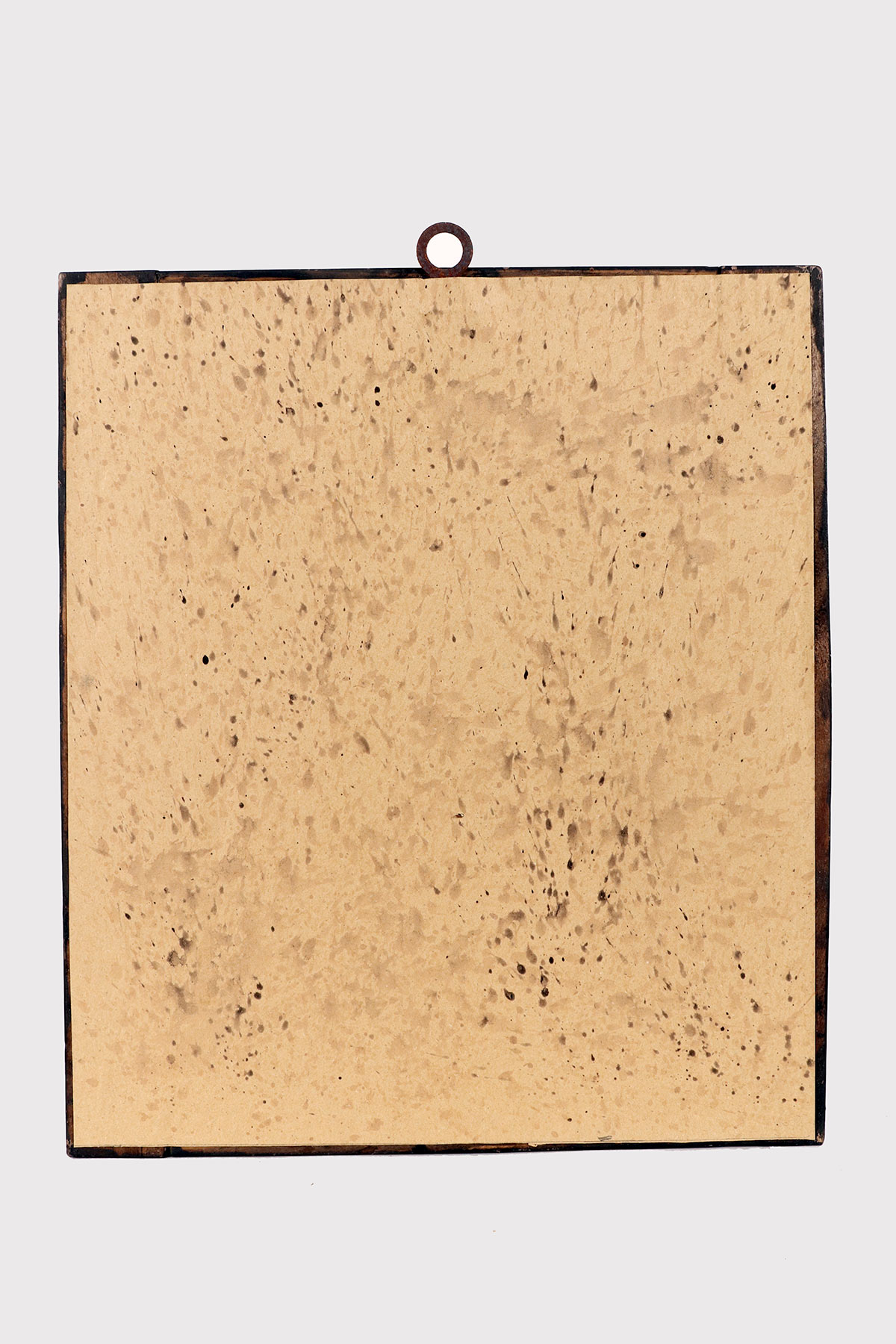
Twelve framed plaster casts for academic teaching purpose. Italy, end of 19th century.
Italy, second half of the 19th century.
EURO 1500 cad.
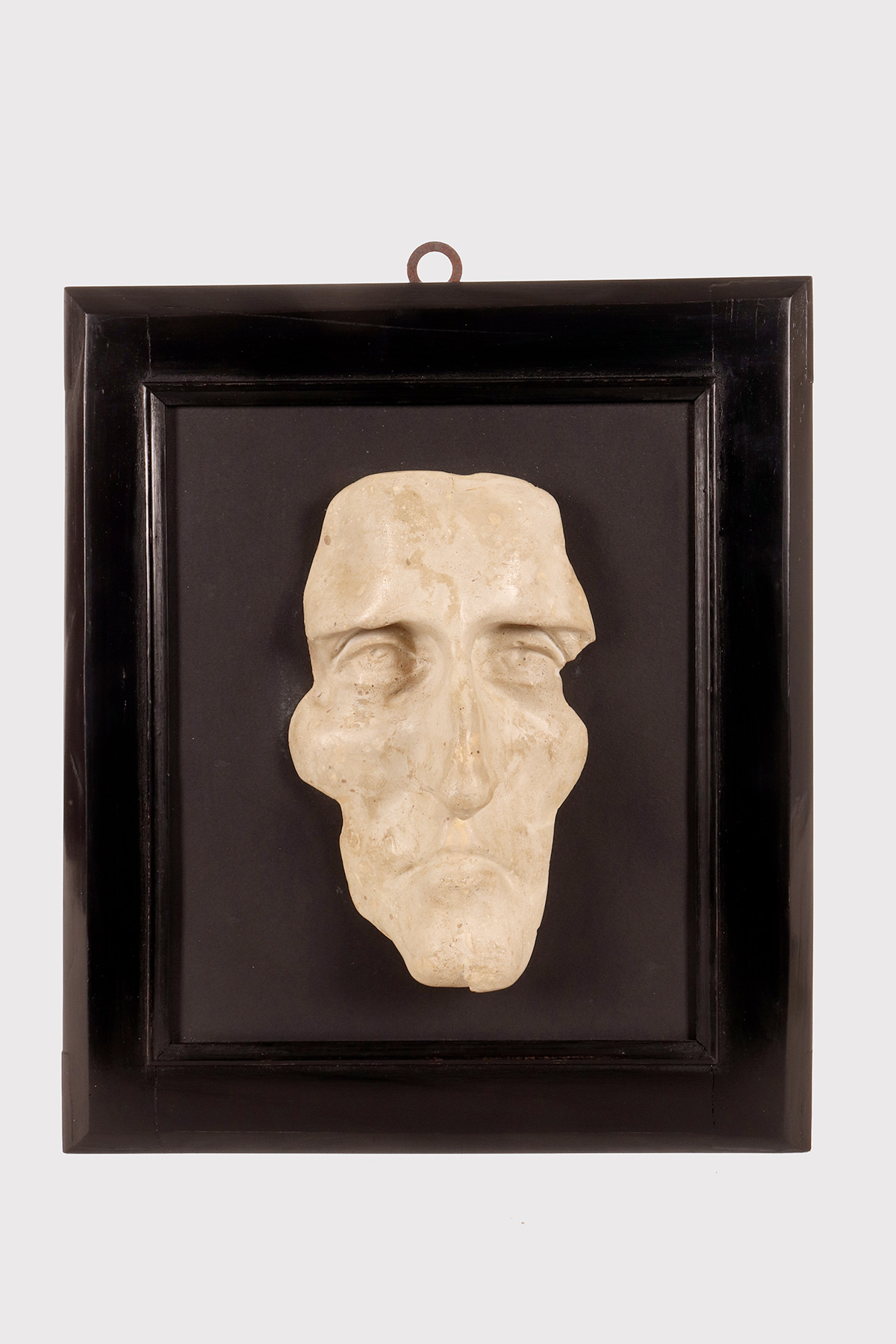
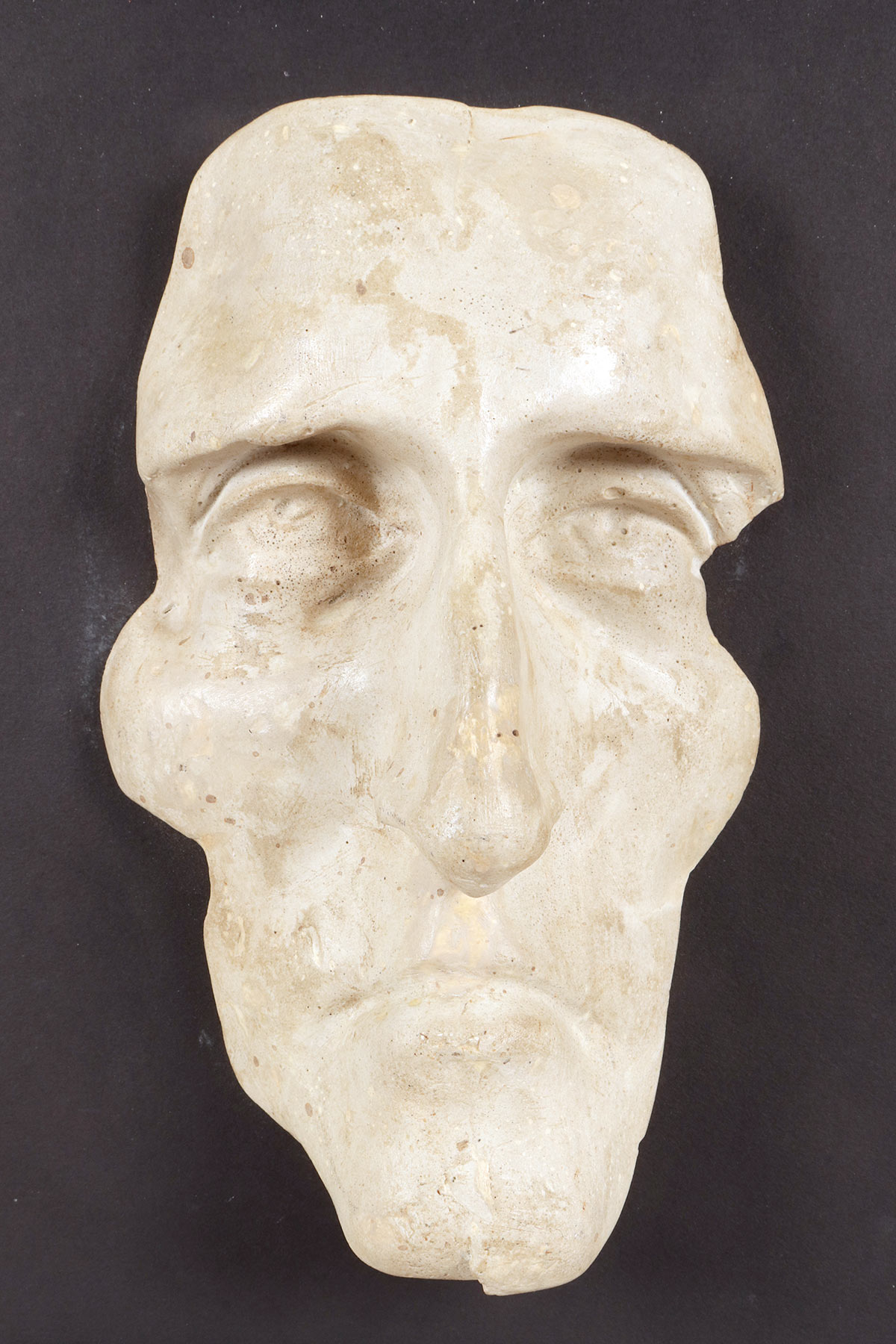
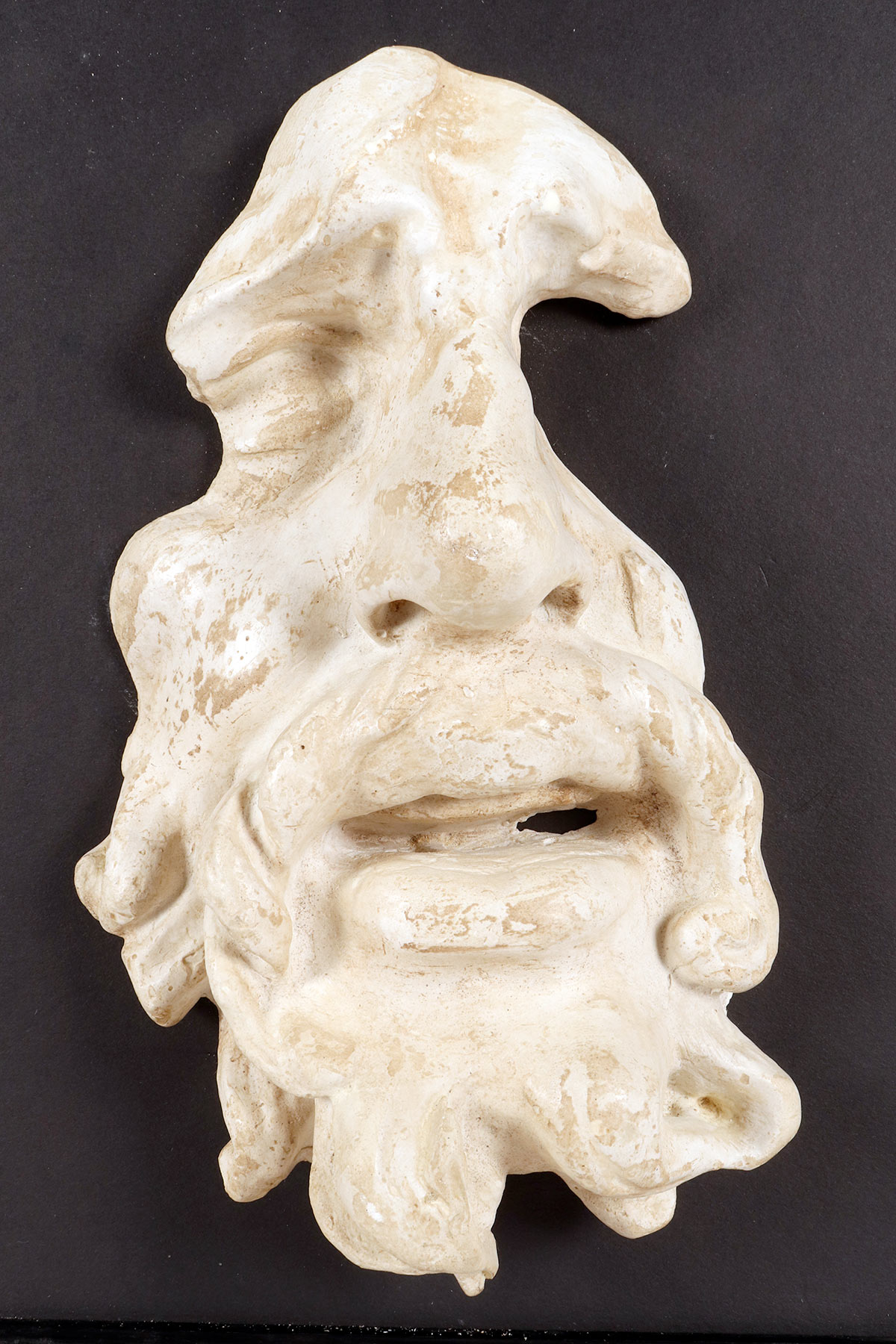
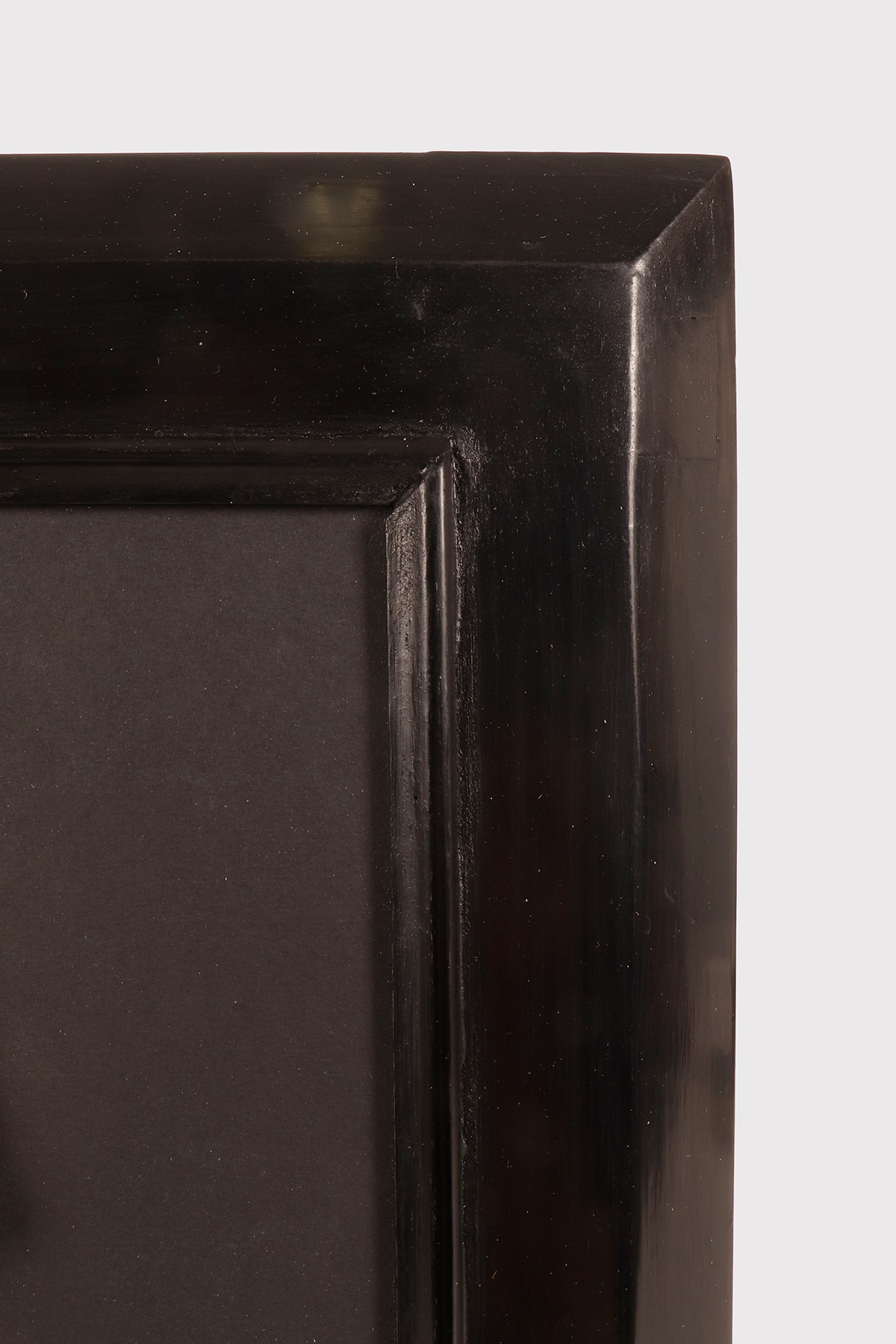
Twelve plaster casts for academic use. Historical academic casts (produced by renowned plaster cast galleries such as those in Florence and the Louvre) were often made in “sections” to facilitate the study of anatomy. Molded and lacquered fruitwood frames. Iron attachments. The casts depict: the face of Lorenzo de’ Medici, now known as Lorenzo the Magnificent, part of the funerary monument sculpted by Michelangelo between 1524 and 1534 for the New Sacristy in Florence. In the entire sculpture, Lorenzo rests the index finger of his left hand just below his lower lip, partially covering the central area of his chin. However, historical academic casts were often made in “sections” to facilitate their study. In this case, the face is depicted from three different angles. The face of Laocoon from the group of “Laocoon and His Two Sons Wrestling with Serpents,” the original of which is a Greek sculpture from Rhodes from the 1st century AD. Seer and high priest of Poseidon (or Apollo). In the Aeneid, he descends from the walls of Troy and hurls himself against the horse, calling it a trap set by the Greeks. Athena, who sided with the Greeks, punished him by sending two large sea serpents after him and his two sons. In this case, the face is depicted from four different angles.
Face of the Cnidian Aphrodite. The original by Praxiteles, dating back to 360 BC, depicts a naked Aphrodite preparing to take (or having just taken) a ritual bath. It is famous for being the first representation of a full-length female nude in ancient Greek sculpture. In this case, the face is depicted in five casts and angles. Italy, second half of the 19th century. Casts may be sold separately.
13,25” – 34 CM H 12” – 30 CM L 3,25” – 8,5 CM D
REF: M6177